
Overcome Resistance to Your Ideas 查看中文版
第 1 节
You’ve just approached the manager of a team your group collaborates with to propose an improved business process. They flat-out rejected your idea. You can’t believe it! People in your organization see you as credible and trustworthy. You framed your idea as a win-win for both teams. You even provided data showing the cost savings it would generate. But your colleague still wasn’t convinced.
What went wrong?
You encountered resistance. It can happen to anyone. No matter how carefully you prepare or how skillfully you present your ideas, you can’t always win everyone over—at least at first. But how you respond to resistance can help improve your chances of gaining the support you need.
When you encounter opposition, you may be tempted to simply restate your case. If you take that approach, the other person will likely push back even more. Instead, take steps to understand the cause of resistance—then work to overcome it.
Here are a few reasons why someone might be opposed to a proposal or idea:"Mastering the Art of Persuasion,"" by Jonah Berger. HBR IdeaCast, Episode 753, August 11, 2020. "How to Persuade People to Change Their Behavior" by Jonah Berger. Harvard Business Review, April 20, 2020. "How to (Actually) Change Someone's Mind," by Laura Huang and Ryan Yu. Harvard Business Review, July 31, 2020.
Make a Connection
第 2 节
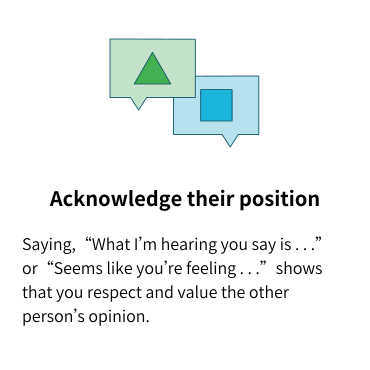
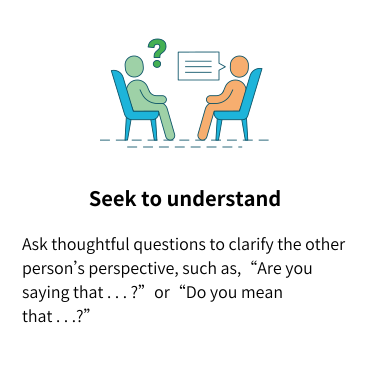
Not sure why someone’s opposed to your pitch? Talk with them and listen carefully to how they respond. Encourage them to explain their concerns and objections.
When you better understand someone’s perspective, you can collaborate with them to come up with a mutually beneficial outcome. To show genuine interest:


Listen Well to Understand Resistance
Asking questions can help you learn more about what’s causing the resistance. For example:
-
What are your biggest concerns about this idea?
-
Is there anything I can help clarify?
-
How do you think this idea could be improved?
-
Do you have any other solutions you’d like to suggest?
After your initial conversation, make a plan to follow up and continue the discussion. The next time you meet with the resister:"Overcome Resistance to Change with Two Conversations" by Sally Blount and Shana Carroll. Harvard Business Review, May 16, 2017.



Northeastern University professor Laura Huang shares how to diagnose the root of resistance and what you can do to change someone’s mind.
把反对者变成支持者 Turn a “No” into a “Yes”
哈佛教授讲授视频逐字稿
Whatever the reason for people’s opposition to your proposal, these common strategies can help you overcome resistance:



第 3 节
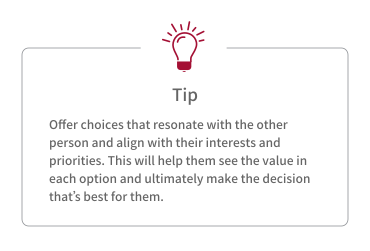
People are more likely to be persuaded when they feel heard and understood and have some control over the decision-making process. If you think someone will reject your idea, offer several options that’ll benefit both of you and lead to the same outcome you’re striving for."Mastering the Art of Persuasion," by Jonah Berger. HBR IdeaCast, Episode 753, August 11, 2020.
Marta requests a reward
When you pitch several ideas, you encourage the other person to collaborate with you to find a solution together—instead of sticking to a firm “no” in response to your proposal.
Take a Moment
第 4 节
Even if you give people options, they may object to your idea because it would require them to make big changes in how they do something. In such cases, you might improve the odds of winning their support by suggesting a smaller, easier change first. This can help ease the other person’s fear of change and make them feel invested."Persuading Your Team to Embrace Change," by Bill Taylor. Harvard Business Review, April 12, 2022.
Taye asks for smaller changes
People are more likely to agree to a small request than to commit to a large change right away. Once they take that first step, they often become more enthusiastic about the idea and the next, bigger request seems less daunting.
Make a Connection
第 5 节
If all else fails when you encounter opposition to your idea, consider seeking support from allies. Bringing a colleague into the conversation—someone who believes in your proposal and is seen as highly credible and trustworthy—can help convince the other person that your idea has merit."How to (Actually) Change Someone’s Mind" by Laura Huang and Ryan Yu. Harvard Business Review, July 31, 2020.
But take time to find the right advocates—people who share your vision and goals, and who have a stake in the outcome of your proposal. The best allies are individuals who are willing to:
Choose someone who can tactfully advocate for your position in a cordial and relaxed way. If your ally comes across as pushy or confrontational, this strategy can backfire and make the person you’re trying to persuade even more resistant to your idea.
Try it Out
Once your allies have provided support for your proposal, follow up and express your gratitude. Thank them for their support and let them know how it made a difference. You’ll further strengthen your relationships with them, and they’ll more likely support your ideas in the future.
第 6 节
Successfully overcoming resistance to your ideas may take time and effort. However, with persistence and an open mind to the other person’s perspective, you can work through objections or concerns that may arise.
Remember: The goal is to find a mutually beneficial outcome—not to “win” the argument over whether your proposal deserves to be accepted or not.
Overcome Resistance to Your Ideas
How did you do? No matter where your choices led you, you probably learned that when you listen carefully to how people respond to your idea, you’ll better understand the reason behind their opposition. And this can help you tailor your approach to address their concerns and arrive at an outcome that you and the other person feel enthusiastic about.
第 8 节
Test your understanding and reinforce what you’ve learned.
Try it Out
答案与解析
Ask your colleague to share more about his concerns and objections.(正确)
Good choice! To better understand why your colleague is opposed to your idea, talk with him and listen carefully to his concerns and objections.
Bring an ally who can confront your colleague on your behalf.
While bringing an ally into the conversation can help you convince the other person that your idea has merit, you’ll want to choose someone who can tactfully advocate for your position in a cordial and relaxed way—not confront the person resisting. A better first step is to try and understand why your colleague is opposed to your idea.
Reiterate the benefits of your proposal, choosing the ones that you think will resonate most with your colleague’s interests.
When you encounter resistance, you may be tempted to press your case harder and restate what you think the benefits are. Instead, take the time to better understand why your colleague is opposed to your idea.
第 9 节
Reflecting on your learning helps you apply relevant concepts to your job.