
Navigate Continual Change 查看中文版
第 1 节
Studies show that going through an organizational change can be just as painful as suffering the loss of a loved one.
Your company just announced a major change initiative. It might be a merger or acquisition, or shifts in your team’s structure or processes.
Poll
Based on your answer, how do you compare with others in your organization?
From the poll results, you may notice that people’s responses are all over the place. That’s because whether you’re the CEO or a frontline contributor, change can spark a variety of feelings—including fear, excitement, anxiety, and frustration.
Conflicting feelings about change can raise your stress levels or cause you to resist new initiatives. And if you’re someone who tends to ignore your emotions, you may find yourself mentally, physically, and emotionally exhausted—without even knowing why.
Make a Connection
第 2 节
So what’s the best way to handle any conflicting feelings you may have about change? Start by naming your main emotion at the moment.
When you’re clear about what you’re experiencing, you can work with those feelings, not against them.
For example, many people respond to change with fear. By examining the thoughts associated with that feeling, you can come up with actions to move past them:
Researchers have found that people who journal about their emotional experiences not only gain insight into their feelings, they also handle work-related obstacles more productively."3 Ways to Better Understand Your Emotions," by Susan David. Harvard Business Review, November 10, 2016
Try it Out
If you manage a team, you play a key role in helping others navigate the emotional ups and downs that change can bring. Author Amy Jen Su suggests three steps for keeping your team on track during uncertain times.
带领团队迎接变革的三个建议 Make the Most of Constant Change
哈佛教授讲授视频逐字稿
第 3 节
Naming your feelings about a particular change initiative is a good step. But to stay productive in a climate of near-constant upheaval, you’ll also want to work on developing resilience.
Resilience is the ability to bounce back from challenges—like those you may face during times of constant change—again and again.
Whether you’re dealing with minor inconveniences or major roadblocks, resilience helps you:
-
Put the brakes on unproductive responses
-
Replace negativity with creativity
-
Move ahead despite challenges
Organizational psychologist Nick Tasler shares how a certain group of individuals thrived during a major industry transformation.
在行业发生颠覆性变化后,强者如何应对? What’s Your Outlook on Change?
哈佛教授讲授视频逐字稿
To build your resilience, the next time you face a challenge:"To Build Your Resilience, Ask Yourself Two Simple Questions," by Srikumar Rao. Harvard Business Review, June 13, 2017
Step 1: Ask yourself, “Why is this situation undesirable?”
Step 2: Ask yourself, “Is there any way this could actually end up being a good thing?”
Step 3: Ask yourself, “What, if anything, can I do to make this positive outcome come about?”
Practice these steps with smaller challenges so you can be prepared when larger ones come up.
If you manage others, avoid insincere pep talks or vague reassurance that the situation will turn out okay. Instead, ask them, “How can you have the most immediate, positive impact on this situation?”
Make a Plan
第 4 节
Change often involves learning new skills—something that demands a lot of brain power.
Wellness coach Margaret Moore shares tips for making it easier for your brain to learn new things.
让大脑为迎接变化做好准备 Prepare Your Brain for Change
哈佛教授讲授视频逐字稿
Take a Moment
Once you’re ready to learn, here are four tips for mastering new skills:
第 5 节
Change isn’t just about what’s new.
It’s also about letting go of practices, routines, and beliefs that no longer meet your needs.
Habits—set ways of thinking or acting—can be useful when they allow us to save time or stay on a beneficial track.
But our habits stand in our way when they keep us locked into unproductive behaviors.
For example, you may notice that whenever you’re on a conference call, you check your email instead of paying attention to the speaker. You end up missing out on important information.
Poll
All habits involve a cue, a behavior, and a reward.The Power of Habit: Why We Do What We Do in Life and Business, by Charles Duhigg. Random House, 2012: appendix.
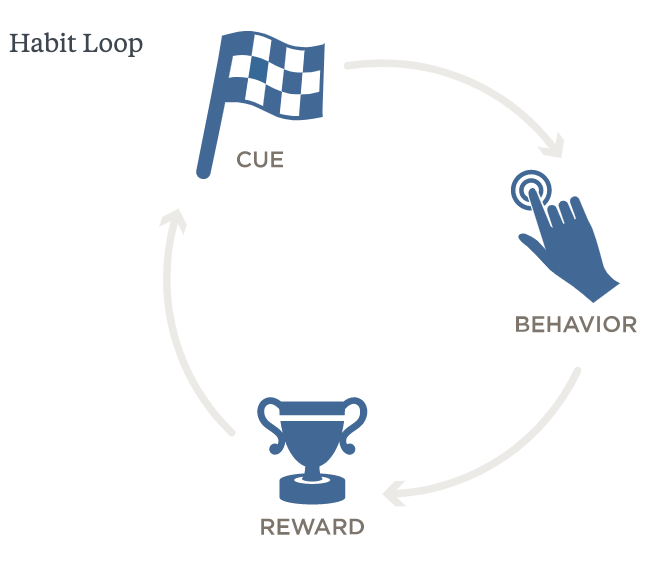
A reward doesn’t have to be tangible. For example, the reward for organizing your desk before leaving work every evening may be feeling more energized and creative in the morning.
Changing Your Habits
To change a behavior, identify and alter the cue or the reward, or both.
Liz’s new habit
Make a Connection
Try it Out
Try this new routine for a week. See what’s working and what’s not, and adjust as needed. Good luck!
Understanding and Changing Your Habits
第 6 节
-
Conflicting feelings about change can raise your stress levels or cause you to resist new initiatives.
-
Identify your feelings about change, and take steps to work with them, not against them.
-
Practice building resilience by viewing change as an opportunity, not a problem.
-
Prepare your brain for learning and master new skills by starting small and naming the outcome you want to achieve.
-
To change a habit, pick a new cue, behavior, and reward.
第 7 节
Reflecting on your learning helps you apply relevant concepts to your job.