
What Stresses You Out—and Why? 查看中文版
第 1 节
You're running late for a meeting. Your muscles are tense, and your heart is pounding. You know this feeling all too well….
Stress is building!
Unhealthy stress can hit like a fast-moving storm. Suddenly, the skies are threatening, but you haven't yet grasped why you're so upset and—you may not even know how upset you are. Seemingly without warning, you're acting in ways you'll later come to regret.
The key is to become aware, as quickly as possible, that stress is influencing your behavior. Physical changes, such as an increased heart rate, are often your earliest warning signs.
Poll
Eight in 10 Americans experience stress in their daily lives, putting them at high risk for heart disease, stroke, and other illnesses.
While episodes of concentrated stress are often short-lived, they can cause a lot of collateral damage. Think of the ripple effects created by emails you've drafted in a panicked state or stress-fueled outbursts to coworkers, friends, or family.
The good news: these reactions to stress are not only natural, but manageable.
Let's look at what happens to your brain when it becomes hijacked by stress.
“杏仁核劫持”效应 Hijacked by Stress
哈佛教授讲授视频逐字稿
Take a Moment
The next time you find yourself in a tense situation, practice monitoring how your body responds. Try it when you're stuck in traffic, in an important meeting, or working on a difficult assignment.
For example, you may notice:
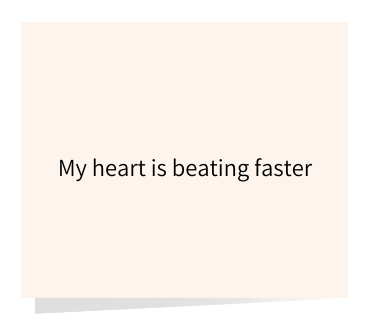
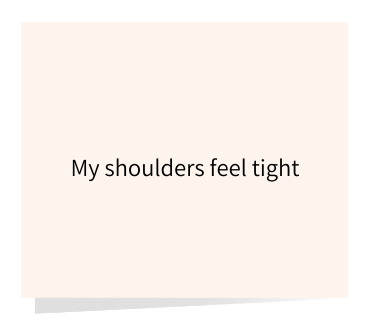
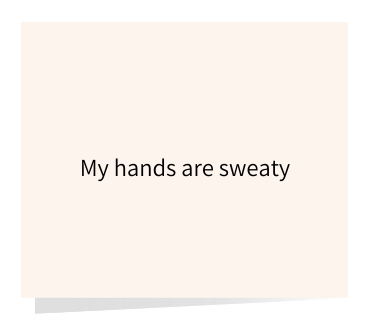
As you reflect on these sensations, you may notice that simply observing them provides a bit of relief. Soon, you'll begin to calm down, and your heart will settle into smoother rhythms. You may even find yourself feeling happier and more secure.
The more you practice this technique, the easier it will be to catch yourself before stress knocks you off course.
Read More|What Anxiety Does to Us at Work
第 2 节
Stress also affects your mood and behavior, but the impact isn't always obvious. Symptoms—such as anger, distraction, forgetfulness, or loneliness—can creep up slowly over time. And stress affects us all in different ways."Stress Symptoms, Signs, and Causes" by Jeanne Segal, et al. HelpGuide.org, May 2020.
To tune into your mood and determine how stress may be affecting your emotions, think about these common indicators:
What Stresses You Out—and Why - table 01
It can be easy to get caught off guard by surges of frustration or anxiety if you aren't aware you're feeling stressed. When you know how you typically respond to stress, you can look out for those signals—and work toward changing the way you respond to challenging circumstances.
Make a Connection
第 3 节
People often assume there's a direct relationship between workload and workplace stress, that is, as your workload increases, so does your stress.
But that's not necessarily the case. While having too much to do can contribute to stress, other factors also play a role.
Workplace stress tends to stem from three primary causes: task, role, and cultural factors. When you understand where your primary stressors come from, you can work to address the root causes.
What Stresses You Out—and Why - table 02
Trouble at home?
You can do so in your head, on your phone or computer, or by hand—whatever format feels most natural.
By doing so over time, you'll better understand the root causes of your stress, making it easier to manage it in the future.
Worksheet for Identifying Your Emotional Triggers
第 4 节
Stress isn't a good feeling to have, or to be around.
It's easy to think about the effects stress has on your own well-being. Yet, we often fail to consider the impact our stress has on others. Feelings of frustration and anxiety can spread quickly through your team, making it harder for the group to function well.
To prevent your stress from having an impact on those around you:
Share your approach
Create distance
Plan around stress
You should also develop habits to keep other people's stress from bringing you down. Here are three tips you can practice to make yourself immune to secondhand stress.
消除“二手压力” Counteract Secondhand Stress
哈佛教授讲授视频逐字稿
30-Second Takeaway
- Spot your body’s warning signs before stress gets out of control.
- Tune in to your mood and behavior to become aware of your stress.
- Take time to name and reflect on your stressors to truly understand where your stress might be coming from.
- To prevent your stress from affecting to those around you, share your approach, create distance, and plan around stress.
Take Action
第 5 节
- Reflecting on your learning helps you apply relevant concepts to your job.