Pocket Leadership口袋领导力

Stress Management

What Stresses You Out—and Why? 查看中文版

第 1 节

You're running late for a meeting. Your muscles are tense, and your heart is pounding. You know this feeling all too well….

Stress is building!

Unhealthy stress can hit like a fast-moving storm. Suddenly, the skies are threatening, but you haven't yet grasped why you're so upset and—you may not even know how upset you are. Seemingly without warning, you're acting in ways you'll later come to regret.

The key is to become aware, as quickly as possible, that stress is influencing your behavior. Physical changes, such as an increased heart rate, are often your earliest warning signs.

Poll

Poll

Eight in 10 Americans experience stress in their daily lives, putting them at high risk for heart disease, stroke, and other illnesses.

Eight in 10 Americans experience stress in their daily lives, putting them at high risk for heart disease, stroke, and other illnesses. Eight in 10 Americans experience stress in their daily lives, putting them at high risk for heart disease, stroke, and other illnesses."With mindfulness, life's in the moment," by Liz Mineo.The Harvard Gazette, April 17, 2018.

While episodes of concentrated stress are often short-lived, they can cause a lot of collateral damage. Think of the ripple effects created by emails you've drafted in a panicked state or stress-fueled outbursts to coworkers, friends, or family.

The good news: these reactions to stress are not only natural, but manageable.

Let's look at what happens to your brain when it becomes hijacked by stress.

“杏仁核劫持”效应 Hijacked by Stress

哈佛教授讲授视频逐字稿
You've felt the sensation before—pounding heart, shallow breath, maybe flushed face or tight shoulders. You're ready for battle but not to think carefully. You've just clicked on an email from a customer. It's highly critical of you and, worst of all, cc'd your manager. Before you know it, you're typing a scathing reply, then spending the afternoon imagining you're about to get in big trouble. Psychologist, author, and leadership expert Daniel Goleman calls these amygdala hijacks—intense emotional reactions where you take hasty action and later regret it. The amygdala is a small organ deep within the brain that evolved to warn you of life-threatening danger—falling rocks, predators, an attacker. When it senses a threat, the amygdala prepares your body to defend itself by releasing a sudden flood of stress hormones. Goleman uses the term amygdala hijack because this stress reaction hijacks rational thought. It cuts off communication with the prefrontal cortex, the area of the brain you use to spot patterns, perceive nuance in a situation, remember past experience, and consider multiple options. As a stress reaction, an amygdala hijack is spectacularly unhelpful in the modern workplace. When you're hijacked, you fixate only on the threat, and you only see one way of responding. But stop—don't send that email. You can regain control of the prefrontal cortex by purposefully engaging the thinking part of your brain, so you can see things more clearly and take your next step thoughtfully.

Take a Moment

1. Have you ever felt hijacked by stress? If stress hadn’t influenced that moment, how might it have played out differently?

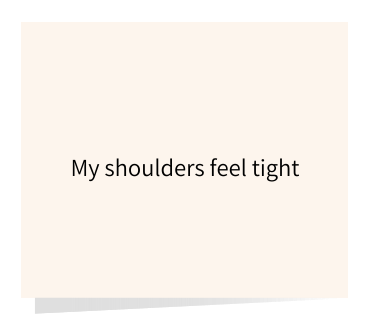
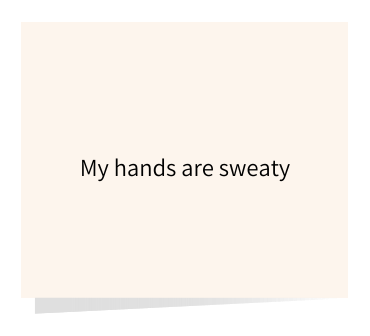
The next time you find yourself in a tense situation, practice monitoring how your body responds. Try it when you're stuck in traffic, in an important meeting, or working on a difficult assignment.

For example, you may notice:
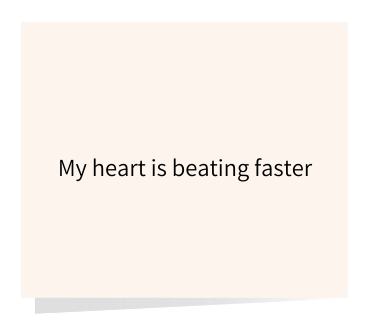
As you reflect on these sensations, you may notice that simply observing them provides a bit of relief. Soon, you'll begin to calm down, and your heart will settle into smoother rhythms. You may even find yourself feeling happier and more secure.

The more you practice this technique, the easier it will be to catch yourself before stress knocks you off course.

Read More|What Anxiety Does to Us at Work

附件:H04YHD-PDF-ENG.pdf(pdf · 341 KB,本地副本)

第 2 节

Stress also affects your mood and behavior, but the impact isn't always obvious. Symptoms—such as anger, distraction, forgetfulness, or loneliness—can creep up slowly over time. And stress affects us all in different ways."Stress Symptoms, Signs, and Causes" by Jeanne Segal, et al. HelpGuide.org, May 2020.

To tune into your mood and determine how stress may be affecting your emotions, think about these common indicators:

What Stresses You Out—and Why - table 01

What Stresses You Out—and Why - table 01

It can be easy to get caught off guard by surges of frustration or anxiety if you aren't aware you're feeling stressed. When you know how you typically respond to stress, you can look out for those signals—and work toward changing the way you respond to challenging circumstances.

Make a Connection

1. What situations tend to trigger stress for you? How does stress affect your mood or behavior?

第 3 节

People often assume there's a direct relationship between workload and workplace stress, that is, as your workload increases, so does your stress.

But that's not necessarily the case. While having too much to do can contribute to stress, other factors also play a role.

Workplace stress tends to stem from three primary causes: task, role, and cultural factors. When you understand where your primary stressors come from, you can work to address the root causes.

What Stresses You Out—and Why - table 02

What Stresses You Out—and Why - table 02

Trouble at home?

Personal difficulties can also cause stress that carries over into the workplace. These might include: Financial pressures Caretaking responsibilities Physical or mental illness Relationship strife Divorce Trouble at home?

You can do so in your head, on your phone or computer, or by hand—whatever format feels most natural.

By doing so over time, you'll better understand the root causes of your stress, making it easier to manage it in the future.

Worksheet for Identifying Your Emotional Triggers

附件:identifying_your_emotional_triggers_worksheet - en.docx(docx · 1108 KB,本地副本)

第 4 节

Stress isn't a good feeling to have, or to be around.

"Like a contagion, stress spreads. We literally catch the stress of others."

It's easy to think about the effects stress has on your own well-being. Yet, we often fail to consider the impact our stress has on others. Feelings of frustration and anxiety can spread quickly through your team, making it harder for the group to function well.  

To prevent your stress from having an impact on those around you:

Share your approach

Just talking about how stressed you are can spread negative emotions. Instead of blurting out, “I’m so stressed,” share with your team the steps you’re taking to manage stressors. Share your approach

Create distance

During exceptionally busy times, create opportunities to rest and recover on your own. Take a walk at lunch, read a magazine during a coffee break, or schedule time to explore while on a business trip. Create distance

Plan around stress

Stress is a common part of our lives, so why not plan for it? Think about what you can do to sustain your energy and help those around you to be better prepared for stressful times. Plan around stress

You should also develop habits to keep other people's stress from bringing you down. Here are three tips you can practice to make yourself immune to secondhand stress.

消除“二手压力” Counteract Secondhand Stress

哈佛教授讲授视频逐字稿
Our brains are hard-wired to pick up on others' emotions. Whether it's an angry taxi driver or a harried boss, just seeing someone look stressed can make us feel anxious, too. This can be a real problem in open office plans, where you can see everyone's nonverbal signals and overhear every phone call. To reduce secondhand stress, try these tactics. Change your response. Instead of being frustrated at negative people, try to feel compassion or help that person to become more positive. Create positive antibodies to neutralize negativity. If a stressed colleague grimaces at you, return it with a smile. Start a phone call by saying, "It's great to talk to you," instead of, "I'm so busy." Inoculate yourself. Before going into stressful environments, think of three things you're grateful for. Reminding yourself that things are going well can be a powerful buffer against stress.

30-Second Takeaway

  • Spot your body’s warning signs before stress gets out of control.
  • Tune in to your mood and behavior to become aware of your stress.
  • Take time to name and reflect on your stressors to truly understand where your stress might be coming from.  
  • To prevent your stress from affecting to those around you, share your approach, create distance, and plan around stress.

Take Action

1. What actions will you take to become more aware of the stress you and others feel?

第 5 节

  • Reflecting on your learning helps you apply relevant concepts to your job.

Take a Moment

1. 1. What new insights do you have that could benefit you or others in your workplace?
2. 2. What are your biggest opportunities for applying concepts from this Lesson in your workplace?

Further reading

当工作量超过团队能够承受的范围时
当工作要求不断增加、资源却在减少时,领导者不能简单地把多出来的工作揽到自己身上,也不能逼已经不堪重负的团队再加把劲。这两…
无形工作,正在耗尽你最优秀的员工
大多数领导者评估工作量时,关注的往往是工时、截止日期和产出,但这些衡量标准忽略了员工所承担的心理负荷—&md…
高压、高技能岗位如何降低离职率:几个反直觉的做法
职业倦怠和加班确实会导致护士及其他高技能员工离职,但这只是问题的一部分。对重症监护室护士的追踪研究发现,当员工被赋予有意…

Top 3 in the source platform's original order