
The Delegation Advantage 查看中文版
第 1 节
Benefits of delegating
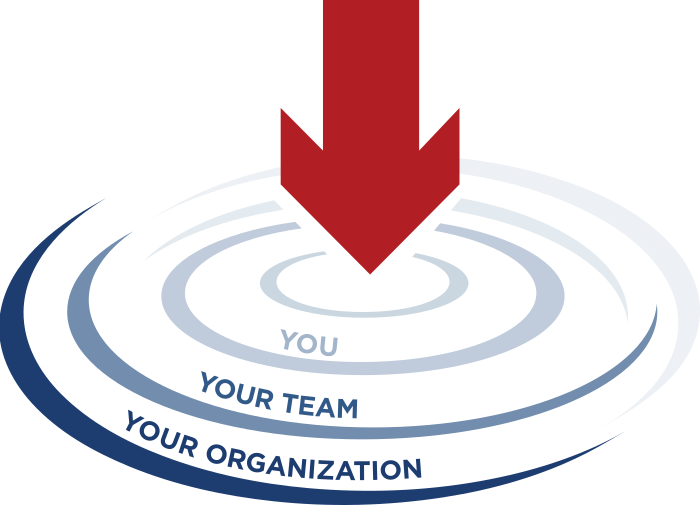
When you delegate, you transfer responsibility for carrying out an assignment to another person. You also transfer accountability for maintaining established standards.
案例
Delegating is a critical managerial skill, yet many managers neglect this responsibility. That's unfortunate—because effective delegation can deliver short- and long-term benefits for you, your staff, and your organization.
Create Time for Your Most Important Work
哈佛教授讲授视频逐字稿
Delegating: The trickle-down effect
Make a Connection
第 2 节
Barriers to delegating
Despite the benefits, delegation makes some managers uneasy. Some don't like delegating because they fear they'll lose control of their direct reports and projects. Others see delegating as giving up responsibility. Still others believe that doing the job themselves will be most efficient.
But each of these arguments can be countered.
Master the Art of Effective Delegation
哈佛教授讲授视频逐字稿
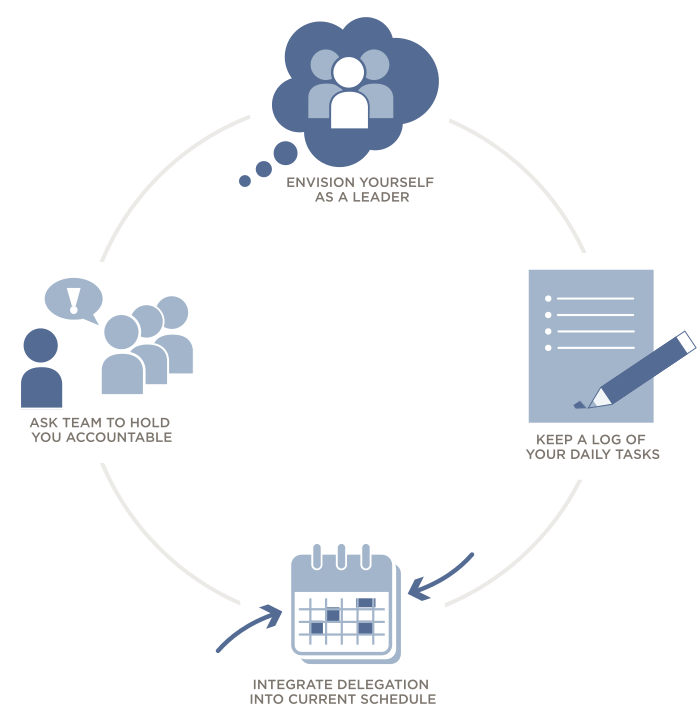
If you're reluctant to delegate, try these tactics:Gallo, Amy. "Why Aren’t You Delegating?" HBR Blog Network 26 July 2012.
-
Keep a daily log of how you spend your time. After a week, look for patterns. You'll probably find that you're spending a lot of time on low-leverage activities that someone else could handle. Becoming aware of a pattern can motivate you to start delegating.
-
Integrate delegation into what you already do. Make delegation part of your process for creating staff development plans. Discuss which types of tasks and projects you'll delegate to employees so they can build the skills they need. Include those delegated assignments in your people's performance goals. This will get you thinking about opportunities to delegate as they arise normally in your work.
-
Ask your people to hold you accountable for delegating. Give your employees direct permission to let you know when you haven't delegated something you should. Ask them, "Do you ever see me doing things that I don't need to be doing?" "Are there areas where I need to delegate more to you?"Goldsmith, Marshall. "How Can I Delegate More Effectively?" HBR Blog Network 12 Sept. 2007. Make it clear that you're open to—and you expect—this kind of input. Also invite them to ask for projects that appeal to them.
- Envision yourself as a leader.Keller Johnson, Lauren. "Are You Delegating So It Sticks?" Harvard Management Update July 2004. Managers manage details, such as solving direct reports' problems. Leaders manage people by fostering a sense of ownership and accountability among their employees. When you envision yourself as a leader, you become more comfortable delegating.
Decrease Your Hesitation to Delegate
A CEO's confession
How Delegation Helps Everyone
哈佛教授讲授视频逐字稿
Poll
Take a Moment
第 3 节
Signs that your delegating needs work
You need to develop your delegation skills if:
-
Your in-box is always full. You’re regularly working overtime on tasks that "only you can do."
-
You feel totally indispensable. Your staff doesn’t seem energized, and they don't seem to make an extra effort.Gallo, Amy. "Why Aren’t You Delegating?" HBR Blog Network, 26 July 2012.
-
Your team doesn't seem to take ownership of projects. You feel that you're "the only one who cares."Gallo, Amy. "Why Aren’t You Delegating?" HBR Blog Network, 26 July 2012.
-
You're often interrupted by requests for help. Your employees often need to ask for guidance and clarification of work assignments.
-
You frequently intervene in delegated tasks or projects. You second-guess team members' decisions and personally redo unsatisfactory work.
-
Your people don't take responsibility for tasks or projects. They don't complete delegated assignments on time, or they're missing deadlines.
Make Delegation Your Development Tool
哈佛教授讲授视频逐字稿
Delegation Skills Assessment
Try it Out
Take a Moment
第 4 节
REFLECT
Reflecting on your learning helps you apply relevant concepts to your job.